
Search engine optimization with search-strong copy, on-page foundations and Local SEO – so you show up on Google and Maps and win inquiries.
Short answer
Search engine optimization (SEO) makes you findable on Google and Maps – with search-strong copy, clear structure, and a technical foundation. Local SEO strengthens regional visibility through Google Business Profile, local pages, and reviews. The goal isn't traffic for traffic's sake, but qualified inquiries.
Good rankings matter, but they're not an end in themselves. I align SEO consistently with your business goal: more suitable inquiries and customers. For that you need topics people search for, content that fulfills search intent, and a site that plays along technically and structurally.
Local SEO comes into play when your customers decide regionally – trades, on-site consulting, local services. Then location, offer, and trust count just as much as keywords. The clean base also pays off later for AI Search & GEO.
Keyword clusters for SEO & Local SEO
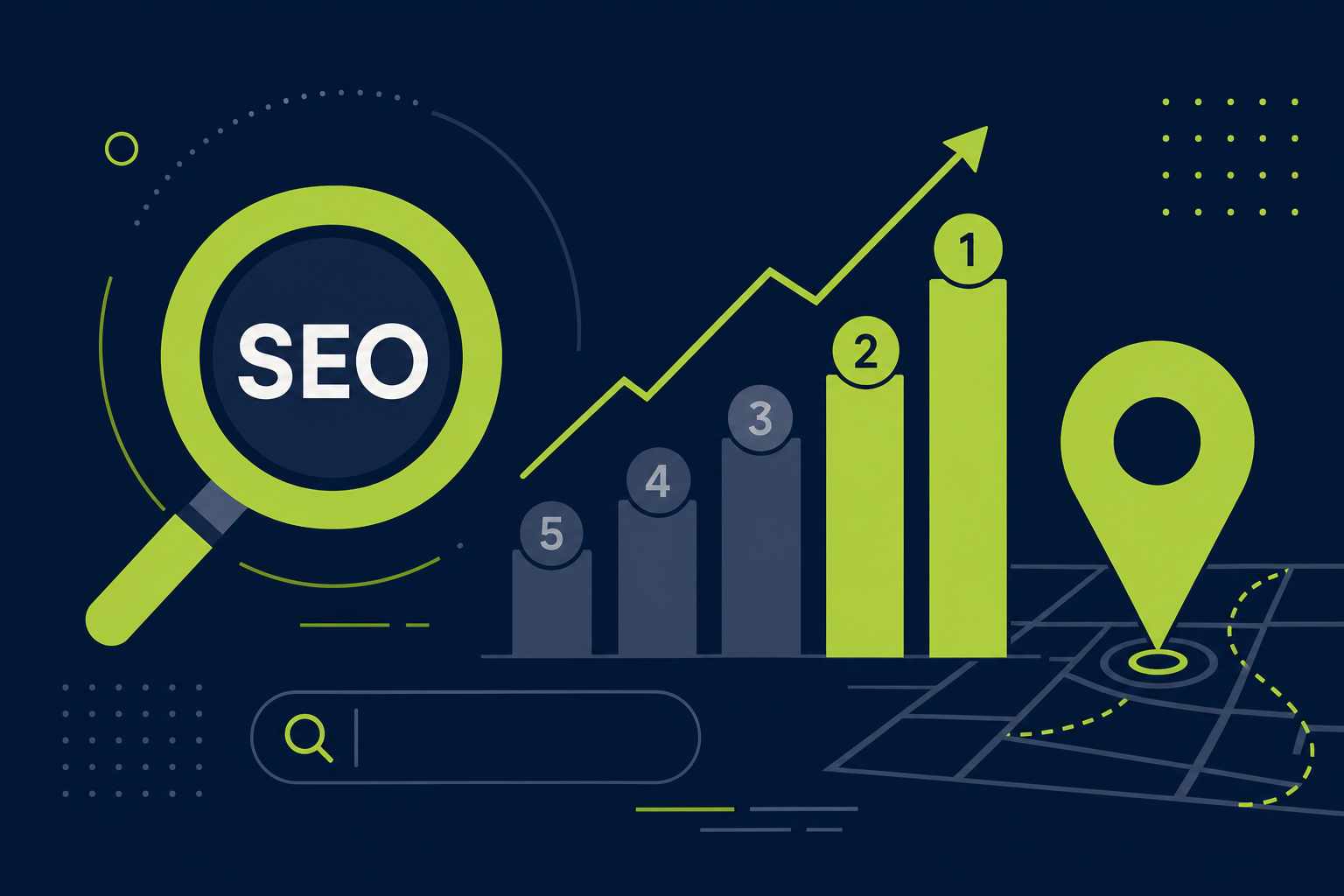
Keyword research is the start – but intent decides. An informational "What is…" needs a different content type than a purchase-close "provider in [city]."
| Cluster | Example keywords | Intent | Focus |
|---|---|---|---|
| Core SEO | search engine optimization, SEO copy, SEO strategy | informational / commercial | content, on-page, measurement |
| Local | Local SEO, Google Business Profile, SEO [city] | commercial / transactional | Maps, NAP, local pages |
| Service + location | [service] [city], provider [region] | transactional | landing pages, trust |
| Outcome | more inquiries via Google, organic leads | commercial | conversion, not just traffic |
What modern SEO really has to deliver in 2026
SEO isn't a trick or a one-time optimization. It's the work of building your site so searchers and search systems understand what you stand for – and inquiries result.
That includes: keyword and topic strategy, search-strong copy, on-page structure, technical foundation, internal linking, and – with a regional focus – Local SEO. At the same time AI Search is changing the SERP: AI Overviews and zero-click often lower click-through even with good rankings. That's why I think SEO and GEO together from the start.
Whoever only stuffs keywords or "writes for Google" loses. Whoever delivers clear answers, real expertise, and measurable goals builds visibility that lasts.
Local SEO: get found where purchase decisions happen locally
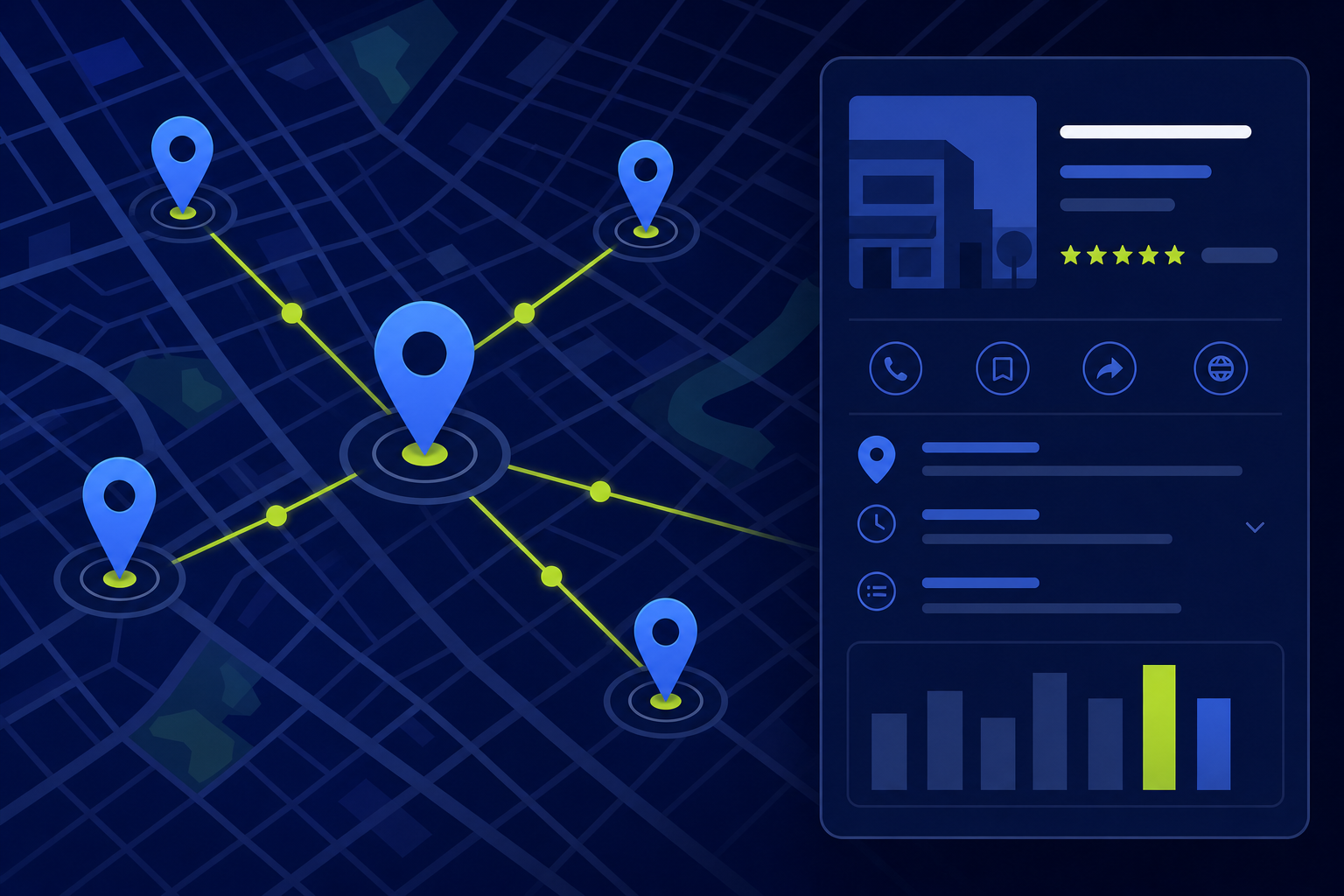
Local SEO decides demand for many SMEs. People search "near me," with city names, or via Maps. Then Google Business Profile (NAP consistency, categories, services, photos, reviews), local service pages, and credible signals count.
Important: no generic "we're strong regionally" copy. Concrete locations, service area, specialization, and real reviews beat empty claims – also for AI answers with a regional angle.
Local SEO isn't a side project but often the fastest path to qualified inquiries. Whoever doesn't show up for "[service] [city]" or "near me" loses purchase decisions before anyone visits your website. That's why I connect local signals with search-strong service pages – not generic location pages that differ only in city name.
The Google Business Profile is more than an address entry. Categories, services, photos, hours, posts, and how you respond to reviews affect visibility in Maps and in organic results with local relevance. Inconsistent NAP data – name, address, phone – confuses search systems and customers alike.
- Google Business Profile: Maintain it cleanly, keep it current, take reviews seriously – that's often the fastest local lever.
- Local pages: Name location + offer + target audience clearly, don't play ten cities with duplicate content.
- Trust: Reviews, references, and clear contact paths increase inquiries from search.
Content & on-page: search-strong, but not arbitrary
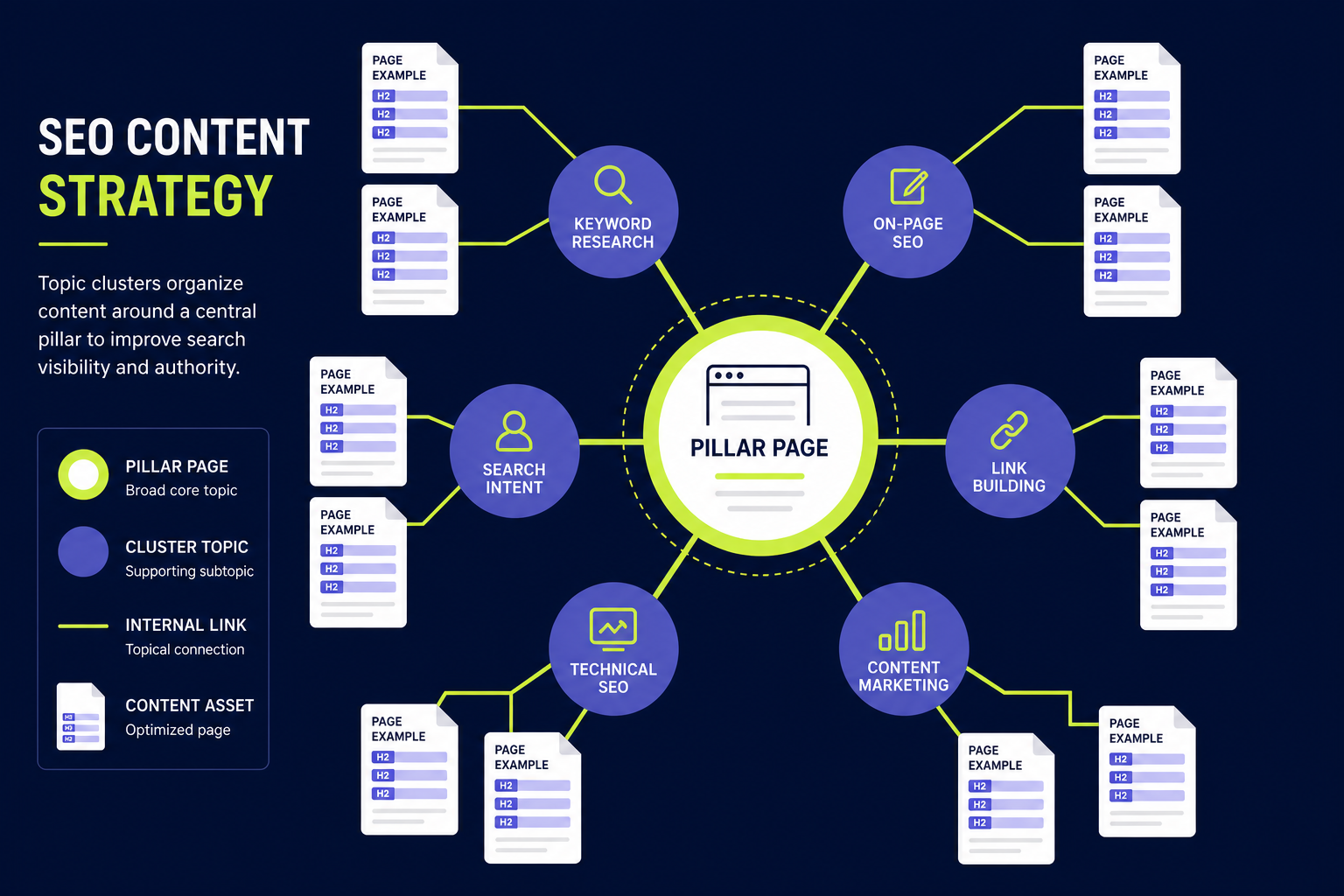
I start with analysis of site, target audience, and competition, develop topic clusters, and write or optimize copy. Tech is the base – the focus is on clear, search-strong content with fulfilled search intent.
Answer-first, sensible H2/H3, FAQ, tables, and internal links help humans and machines. That's also the bridge to GEO: what's citable often ranks better too and gets used more in AI answers.
Search engine optimization for me doesn't mean putting every keyword somewhere once. It means: one page per important search that really answers the question – with clear structure, internal links to deeper topics, and a CTA that fits the next step. Thin copy with keyword repetition hurts more than it helps.
If the site structurally or technically brakes hard, patching is sometimes more expensive than a clean rebuild – see web development and the website calculator.
How the collaboration runs
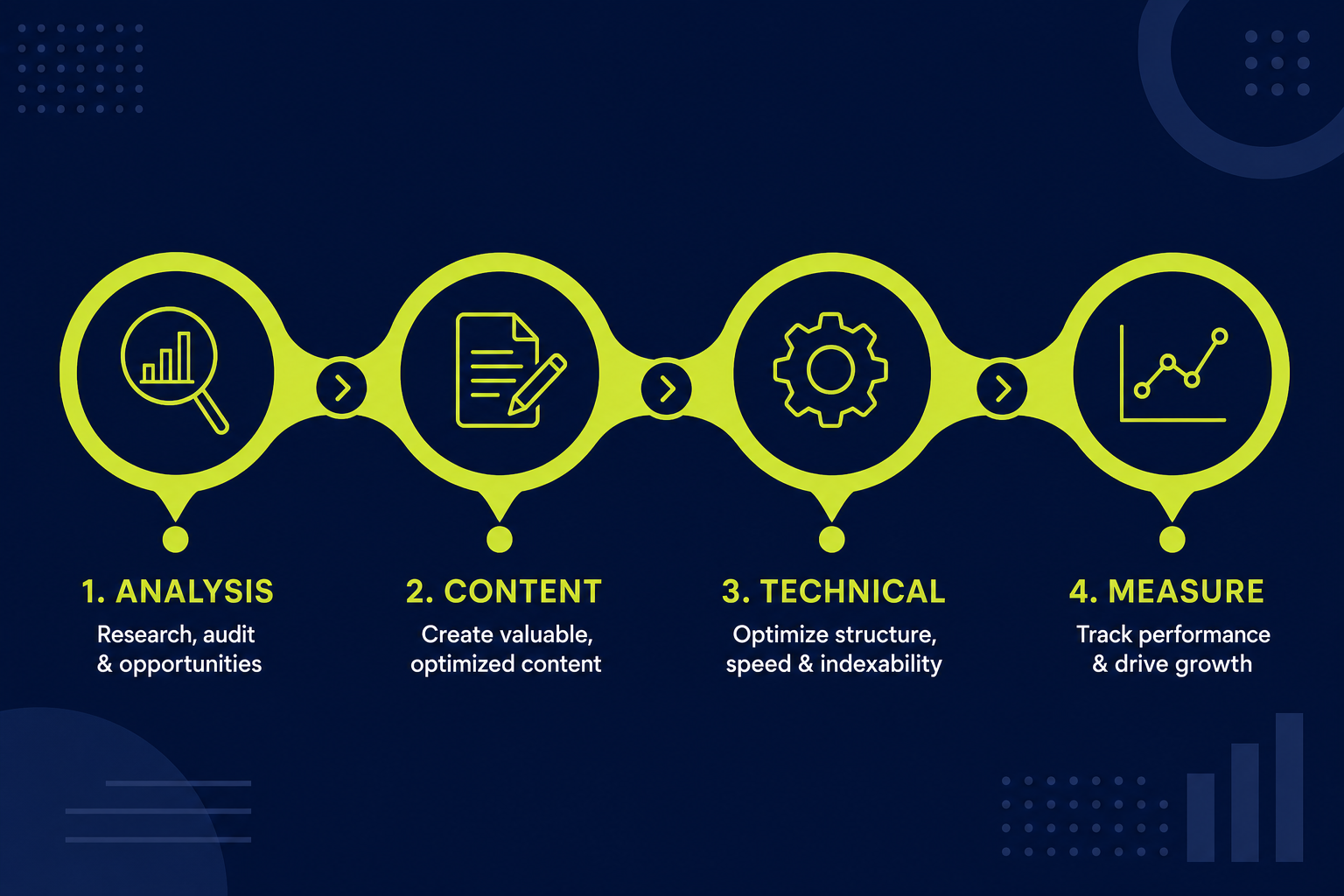
No black-box SEO. You know what we're working on and why.
- Analysis: Status of rankings, content, tech, and local signals – plus priorities.
- Topic & keyword plan: Clusters, intent, and order: What brings quick orientation, what's strategic?
- Implementation: Copy, on-page, local measures, internal linking – I implement or steer clearly.
- Measurement: Search Console, inquiries, rankings – adjust instead of "optimized once and done."
Google Business Profile: the local switch point
For many SMEs the Google Business Profile is the most visible SEO channel – often before their own website. That's why maintenance belongs, not just initial setup. Categories must fit the service, not wishful thinking. Services and products should be formulated in searchable terms, not only internally understandable.
Reviews aren't nice-to-have. They affect click behavior, trust, and local rankings. More important than the star count alone is quality: real experiences, responses to criticism, no bought fake reviews. Whoever actively collects reviews – after completed projects, not pushily – builds a signal ads can hardly replace.
Photos, posts, and regular updates show the profile is alive. That works on users and signals relevance. At the same time profile, website, imprint, and industry directories must state the same facts. Deviations in phone number or hours cost trust and visibility.
Local SEO doesn't end at Maps. Good local service pages link sensibly to the profile and vice versa. That creates a closed picture: who you are, where you work, what you offer – for people and for search systems.
Typical SEO mistakes – and what helps instead
Many companies invest in SEO but in the wrong places. Keyword lists without intent lead to dozens of thin pages that nobody ranks. Local spam – ten city pages with identical text – seems tempting short term, hurts long term. Tech audits without content strategy produce PDFs but no inquiries.
Instead: few strong pages instead of many weak ones. Clear service pages with real expertise. A maintained Google Business Profile when the target audience searches regionally. Internal linking that holds topics together – not just footer links.
Another mistake: celebrating rankings without measuring leads. Position 3 for a term nobody buys is worthless. That's why I define with you upfront which searches mean business – and align content, local signals, and CTAs to that.
SEO needs patience, not actionism. Monthly new blog posts without strategy burn budget. Better: prioritized topic clusters, iterative optimization of pages with the biggest lever, honest measurement via Search Console and inquiries. If the technical base doesn't play along, we clarify openly whether web development is the more sensible step.
SEO and conversion belong together
More visitors without inquiries is expensive traffic. That's why I look early at message, CTAs, and user paths – and connect SEO where needed with conversion optimization.
Typical mistakes: keyword lists without intent, local spam with duplicate content, tech checklists without content, celebrating rankings without lead quality. Better: few strong pages, clear offers, measurable goals.
Tech, measurement, and realistic expectations
Technical SEO isn't an end in itself, but without speed, mobile fitness, crawlable structure, and clean indexing good content fizzles. I prioritize the brakes that really block visibility and usage – not an endless audit list.
Measurement belongs: Search Console, inquiries, rankings, and – where relevant – brand searches. That way you see whether SEO moves business or only produces vanity metrics. With AI Overviews impressions can rise and clicks fall; then the quality of the mention and conversion of remaining clicks matter even more.
On timing: first impulses often in weeks, reliable effects over months. Whoever expects "position 1 next week" will be disappointed. Whoever systematically builds topics, pages, and local signals lays a foundation that ads and social complement instead of replace.
If the existing website isn't structurally viable – slow templates, unmaintainable CMS, chaotic URL structure – we discuss honestly whether optimization or rebuild is the better euro. You can estimate the cost range for a rebuild with no obligation in the website calculator; implementation runs via web development & tools.
For the start a focused package is often enough: analysis, keyword and topic plan, optimization of the most important service pages, local basics. After that we scale content and GEO elements. In the free intro call we clarify which entry fits budget and goal.
Content clusters beat single articles: one strong service page as hub, plus supporting guides and FAQ, internally linked cleanly. Search systems understand topic relationships better – and users find the decision help they need faster.
I don't leave offpage and reputation out, but I don't promise link-buy fairy tales. Sensible mentions, consistent company data, and real reviews work more sustainably than short-lived tricks. Local benefits especially.
If competitors have built content and authority for years, we don't catch up "all at once." We prioritize searches with the best business contribution and build visibility layer by layer – measurable and without actionism.
Your benefit
What SEO & Local SEO does for you
Findability with intent
Visibility for searches that fit your offer and region.
Inquiries, not just traffic
Content and pages aligned so visitors become contact.
Local & classic combined
Google, Maps, and business profile interlock – not side by side.
Foundation for GEO
Clear, structured content also pays off in AI answers.
Is this a fit?
Who this is especially for
- Local service providers who want to be more visible in their region and on Maps
- Companies with a good site but too few organic inquiries
- Providers with offers that need explanation and unclear service pages
- Companies that want to think SEO and AI Search together
FAQ
Answers about SEO & Local SEO
No. Nobody can seriously guarantee a position. I ensure clean structure, relevant topics, and strong copy – and thus clearly improve your odds.
First impulses often in weeks, reliable effects usually over months. Ads work faster – SEO more sustainably. In the intro call we clarify what's realistic.
If customers search or buy regionally: yes. Then Google Business Profile, local service pages, NAP consistency, and reviews are central levers – often more important than another blog post. Pure online providers sometimes benefit from local visibility too when location builds trust. In the intro call we clarify whether Local SEO is a priority for you or whether classic search engine optimization at national level is enough.
Yes. I'm happy to take on concept and copywriting – together with your subject-matter knowledge so it's accurate and sounds like you.
SEO targets rankings and clicks. GEO / AI Search targets citation in AI answers. Both are connected; I think them together.
Depends on the foundation. Sometimes content and on-page are enough. On outdated, unmaintainable sites a rebuild is often cheaper – see website calculator.
More services
Let’s move your project forward
The intro call is free and no-obligation. No contract pressure – just an honest assessment on equal footing.